Задание на 7 мая 2026
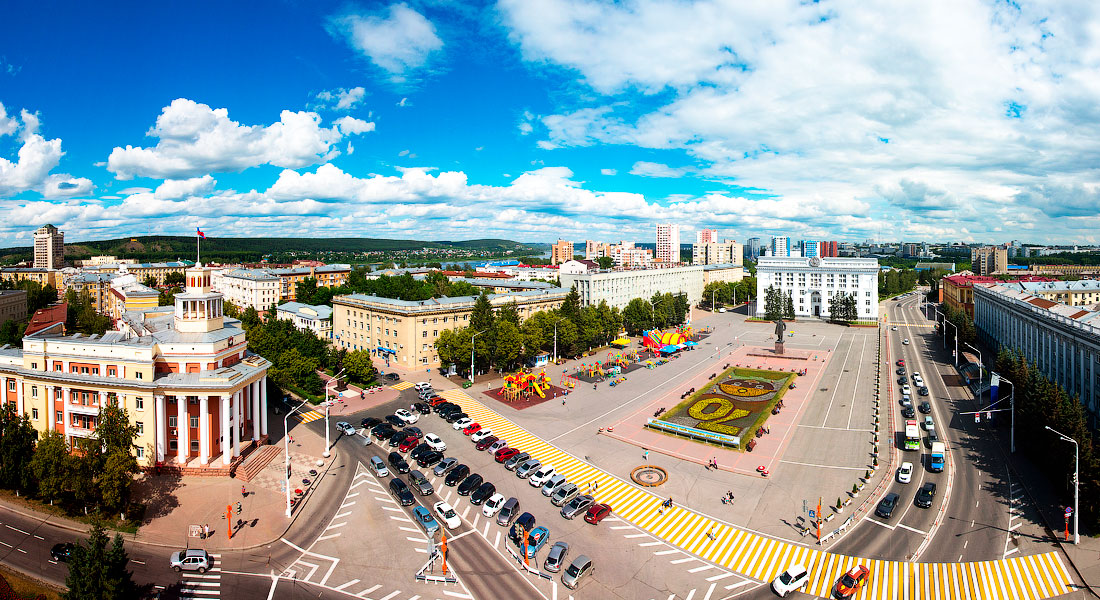
Составить экскурcию по городу.


задание на29 апреля 2026


Задание на 23 апреля 2026

задание на 16 апреля 2026

Watch the film and learn the words.
https://vk.com/video-168482992_456240044
https://wordwall.net/ru/resource/2510797/airport-vocabulary
terminal building
arrive at the
airport in good time for your flight
drop your bags-
сдать багаж
departure board-
расписание
flight numbers-
номер рейса
departure times-
время отправления
check-in desk
check-in
boarding pass-
посадочный талон
weigh
pay
excess baggage –
платить за перевес
check in online
–регистрация
онлайн
hand
luggage
–ручная
кладь
security
check –
проверка безопасности
passport
control
–
паспортный контроль
go
through
customs-
походить таможенный контроль
departure lounge- зал отправлений
gate
–
выход на посадку
baggage reclaim -зона получения багажа
collect your
luggage- забирать багаж
middle seat
window seat
aisle seat
задание на 19 марта 2026

Travel Budget
Accommodation :
Renting a small
cozy house or apartment is cheaper than staying at a hotel. Prices can vary
from about 00 to 000 rubles per night
depending on the season and comfort level. Try looking for places near the ski
slopes but not right next to them because they are usually more expensive. If
you want something really affordable, consider booking through local rental
platforms like Avito or Drom.ru where prices might be lower compared to big
booking websites.
Food :
You don’t need to eat out every meal. Buy groceries and cook your own food if possible. A typical breakfast with bread, cheese, tea/coffee will cost around 00-00 rubles per person. For lunch/dinner options, there are cafes offering soup, sandwiches, pizza which cost between 00-00 rubless per meal per person. To save money, avoid eating close to the resort as those restaurants tend to charge higher prices due to their location.
Lift Pass :
Buy daily tickets
instead of multi-day passes unless you're planning to stay longer than three
days. Single day lift pass costs approximately 00-00 rubles depending on
whether it's high or low season. Children under certain age may have discounts
so check that too!
Entertainment :
Rental shops offer deals such as “rent skis +
boots” packages starting from just over 00 rubles per day. Don’t forget
about activities—some resorts host
concerts or movie screenings free of charge!
Transportation :
Since you'll drive
yourself using your car, calculate fuel expenses based on distance Also
remember parking fees.
Задание на 12 марта 2026
Speak about safety online
Shopping
online lets you find good deals and save money easily. But more people try to
trick you into giving them your cash or card details. To stay safe, always
follow some easy steps.
Here are
some easy tips for safe online shopping:
Check
retailers: Before buying from new sites, Google their name to see if others had
bad experiences. Most shops are trustworthy, but it's smart to check first.

Know your
rights and the company’s returns policy.
There is
also some information you should find out before buying online.
How long will delivery take and where is the
item being sent from ?
What is the
returns policy?
If they don’t
seem to have one, you should be suspicious.
Knowing
what the policy is will help you if something is not delivered or arrives
broken, even if the seller was not trying to scam you.
Keep
software and virus protection up-to-date and use strong passwords for online
accounts.
Don’t
use public Wi-Fi. Your standard data connection is more secure.
Задание на 3 марта 2026
Learn the words and read the text, say if it is important to pay attention to lables.
Ingredients: fat,
sugar, salt, protein, vitamins, minerals
Nutrients – питательные вещества
Nutrition - питание
the expiration date – срок годности
to be crucial – важный
diet –диета
to be on a diet- быть на диете
to keep to a diet- соблюдать диету
to
suit dietary needs and avoid unhealthy options -
соответствовать диетическим потребностям и избегать вредных продуктов.
to
have allergies to certain ingredients
To have
allergic reactions
to indicate
when food starts losing freshness or becomes unsafe to eat.
What Hides Behind the Label
Have you ever looked closely at a product label before
buying something? It’s important to know what information is hidden there!
Let’s explore some key points together!
Ingredients List
This tells us exactly what ingredients are in our food
or drink. Sometimes we see long words that might be hard to pronounce, but they
give valuable details about additives like preservatives, colors, flavors, etc.
Nutrition Facts
Here we find out how much energy (calories), fat,
sugar, salt, protein, vitamins, minerals, and other nutrients are present per
serving size. This helps us make healthier choices by understanding if it has
too much of something bad for us.
Expiration Date
The expiration date shows when the product should no
longer be consumed because its quality may deteriorate over time. Always check
this so your snacks don’t go stale!
Country of Origin & Brand Information
Know where products come from—it could affect their
taste, price, safety standards, and more. Brands also provide contact info on
labels which can help consumers reach them with questions or complaints.
By reading these parts carefully next time you shop,
you'll become smarter buyers who understand better what goes into making each
item delicious yet safe enough for consumption!
Why It's Important to Pay Attention to Labels
Labels tell us essential things about the products we
buy. Here are reasons why it's crucial to read them carefully:
Healthy Eating: The nutrition facts section gives detailed information
about calories, fats, sugars, proteins, vitamins, and minerals. Knowing this
helps choose foods that suit dietary needs and avoid unhealthy options.
Allergy Alerts: Some people have allergies to certain ingredients
such as nuts, dairy, gluten, soy, etc. Reading ingredient lists ensures safety
against allergic reactions.
Avoiding Waste: Expiration dates indicate when food starts losing
freshness or becomes unsafe to eat. Checking these prevents wasting money on
spoiled items.
Making Informed Choices: Understanding where a product comes from—its country
of origin—and learning about brands builds awareness of quality standards,
environmental impact, and ethical practices behind production processes.
In conclusion, paying attention to labels makes
shopping easier while ensuring health benefits, reducing waste, avoiding
allergens, and supporting responsible consumer behavior!
Shopping is a part of our daily life. People buy
things they need or want in different ways—offline and online. Both methods
have their advantages and disadvantages.
Offline shopping means going to physical stores like
supermarkets, malls, or boutiques. It allows you to see the product with your
own eyes, touch it, try it on if it's clothing, and check its quality before
buying. This can be especially important when purchasing expensive items such
as electronics or furniture. Offline shopping also offers immediate
satisfaction because you take what you've bought home right away. However,
offline shopping takes more time since you have to travel to the store, find
parking, wait in lines, etc.
Online shopping has become very popular these days.
With just one click, you can order almost anything from clothes to groceries
without leaving your house. It's convenient for busy people who don't have much
free time during the day. Online shops often offer discounts that are not
available at brick-and-mortar stores. On the other hand, there’s always some
risk involved—you might receive an item that's different than expected or
damaged.
In conclusion, both types of shopping have pros and cons depending on individual preferences and circumstances. Some prefer traditional offline shopping while others enjoy modern online options. The best approach may be combining them based on specific needs and situations
Задание на18 февраля 2026

In today's world of real shopping, it's important for
eighth-grade students to understand how it works. Real shopping involves
visiting actual stores where you can see, touch, and try on items before making
a purchase. This experience is different from online shopping because you have
the opportunity to interact directly with products.
When going
shopping in person, there are several things to keep in mind.
First, plan your trip by deciding what kind of store
you're interested in—clothing, electronics, or perhaps groceries.
Second, consider any sales or discounts that might be
available at certain times like holidays or special events.
Finally, don't forget about customer service; employees can
provide valuable advice if needed.
Real shopping allows us to enjoy the process of
discovering new things.
For modern teenagers, shopping has become much more
than just visiting a store. Many young people today prefer online shopping over
traditional methods. Here's why:
Convenience:
They can buy anything they want without leaving home.
It's easy to compare prices and find better deals using apps or websites.
Variety:
There are countless options online compared to what's
available locally. From clothes to gadgets, everything is accessible within
clicks!
Reviews Matter:
Before buying
something expensive, teens often read reviews left by others who've already
tried the product. This helps them avoid bad purchases.
Advantages of Online Shopping
The stores are almost never closed.
Shoppers can shop in their pajamas.
Online shoppers save on gas.
There are no annoying crowds.
Online shoppers do not have to wait in long lines to
check out.
Many online retailers allow shoppers to post reviews
about the products that they purchased.
There are more choices for buying products
Disadvantages of Shopping Online
Online shoppers do not have the ability to try on the items.
Online shoppers do not always know if a site is safe
to shop.
Online shoppers often do not have a person to talk
to when dealing with a problem.
Задание на 11 феврвля 2026
Read the text below and say which of them you follow and which not.
Explain why?

Задание на 5 февраля 2026
Read the essay and arrange the paragraphs logically+ write your arguments for or againgst:

Задание на 29 января 2026


задание на 21 января 2026


Teenagers and Pocket Money: Buying Expectations vs Reality
Pocket money is an important part of a teenager's life as it allows them to make their own choices about what they want to buy. However, the reality often differs from expectations when it comes to spending this limited amount of cash.
Many teenagers dream of buying expensive gadgets or fashionable clothes with their pocket money. They might see something trendy online or in stores that seems perfect for them. But once they start saving up, they realize how long it takes to accumulate enough funds. This can lead to frustration because what seemed like a simple purchase turns out to be more challenging than anticipated.
Another common issue is impulse buying. When teens come across something tempting while shopping, they may give into the urge without considering whether it's necessary or affordable within their budget. As a result, they end up regretting these purchases later on.
Learning how to manage pocket money effectively teaches valuable lessons about financial responsibility at an early age. It helps young people understand the importance of planning ahead before making any big decisions regarding spending habits. By setting realistic goals and sticking to budgets, teenagers can avoid disappointment caused by mismatched expectations versus actual outcomes.
задание на 15 января 2026

Christmas Budget Case Study
Task: Your family is planning a special New Year
celebration and you have been given the responsibility to manage the budget for
this event. The total amount available for spending on the holiday is 5000 Rub. However, there are several important
expenses that need to be covered before you can think about fun activities or
gifts.
Expenses include:
Food & Drinks (150 rub.)
Decide what type of food will be served at your party.
Will it be traditional Russian dishes like olivier salad and pelmeni, or
something more international?
Decorations (80 rub.)
How many decorations do you want to buy? Think about
lights, garlands, tree ornaments, etc.
Gifts (150 rub.)
Who in your family should receive presents? What types
of gifts would they enjoy most?
Entertainment (100 rub.)
Do you plan any entertainment such as music, games, or
even hiring an entertainer? Consider different options here!
Miscellaneous Expenses (200
rub.)
There might be other small costs associated with
organizing the event. Be sure not to forget these details!
Your Task:Create a detailed budget plan showing how
much money will go towards each category mentioned above. Ensure that
everything adds up exactly to 5000 rub without going over budget. Write short
explanations for why you've chosen certain items within each category.
Example Table Format:
Category
Amount Allocated Reasoning
Food & Drinks
Decorations
Gifts
Entertainment
Total 500 rub
18.12.25
Ask 5 questions.

Once upon a
time in a small town lived two sisters named Anna and Lena. Anna was older and
smarter than her little sister who always looked up to her big sis for guidance
and wisdom. One day while playing together at home, Lena asked curiously,
“Anna, what are these colorful papers that Mommy gives you sometimes?”
Anna smiled
gently and replied, “Those are called money, sweetie.” She then decided it
would be fun to teach her younger sibling about the different types of currency
they had learned about in school.
“Money comes
in many forms,” she began enthusiastically. “There’s cash which includes bills
like dollars or rubles, coins such as pennies or kopecks, and even digital
money stored on cards or phones.”
Lena listened
attentively with wide eyes full of wonderment before asking another question,
“But why do people need them if we can just bake cookies instead?” This made
both girls giggle heartily until Anna explained further.
“You see,
back when humans first started trading goods long ago, there wasn’t any
official way to measure value between items exchanged. So someone came up with
an idea—let's use something everyone agrees has worth! That became known as
'commodity money,' where things like gold were used because everybody knew how
valuable those shiny rocks really were."
She continued
excitedly, holding up some play coins from their toy chest, saying, “These days
though, most countries have switched over to using paper notes printed by
governments themselves rather than relying solely on precious metals
anymore."
Finally
wrapping up this mini lesson, Anna concluded cheerfully, “And last but not
least, there's electronic payment systems too now available everywhere thanks
to technology advancements!"
With
understanding dawning across her face, Lena nodded happily knowing exactly what
all these strange-sounding words meant after hearing everything clearly laid
out so simply yet effectively by none other than her beloved elder sister
herself!
11.12.25
Main Properties of Money:
- Exchange of Goods and Services. For example, buying a pastry for 50 rubles—you give the seller money, and he gives you a tasty pastry.
- Measuring the Cost of Products. You know that one bun costs 30 rubles, and a packet of milk costs 80 rubles. That's because prices are set in rubles (or another currency).
- Storing Wealth. When parents put their salary into a card or keep some cash at home, they're preserving the value of their labor.
Now let's take a closer look at the different forms modern money comes in.
Forms of Modern Money
Today's money exists primarily in two basic forms:
- Cash Money: Coins and paper bills. This is what's in your wallet or pocket. Bought a book for 200 rubles in cash—handed over the paper, got the product.
- Non-cash Money: Electronic records in banks. Imagine your savings not sitting in a piggy bank, but stored electronically in Sberbank or Tinkoff Bank. It's these types of funds most adults use daily: paying utility bills online, purchasing movie tickets via card, even ordering food delivery straight to your doorstep.
But here's where it gets interesting… There are many tools out there that work almost like real money but differ slightly. Let's explore some examples in detail.
Money Equivalents 🧐
Sometimes it's easier to use certain tools that behave nearly identically to actual money but come with unique features:
- Debit Cards and Checking Accounts: Think of virtual wallets and counters of your balance. These funds exist digitally within the bank, yet you can withdraw them from an ATM or make purchases at stores with just a swipe. Example: Dad bought Mom a gift using his Sberbank card.
- Savings Accounts: Similar to checking accounts, but often hold larger sums meant for saving. Sometimes these accounts earn interest, meaning the amount grows thanks to the bank. Grandma deposited her pension here, waiting until she accumulates enough money.
- Traveler's Cheques: People used to carry these during trips so they wouldn't bring too much cash. Nowadays, they're rarely used since cards became more practical. A travel cheque looks like regular paper which could be exchanged for money practically anywhere globally. In the past, grandpa took traveler's cheques whenever he went on vacation.
- Electronic Payment Systems: Qiwi, Webmoney, YooMoney—services allowing storage of money online and making payments instantly. Say mom wants to order a dress from China via AliExpress. She'll pay using an electronic wallet, transferring money to the seller with just a couple clicks.
26.11.25


06.11.25
Fill in the missing words.
It is important for parents to … their children about
… early in life. Financial … includes understanding basic concepts such as
saving, …, and investing. Children should … the difference between … and needs,
and how to set … goals. One useful method is giving children …, which
introduces them to the concept of … . Parents can encourage their children to
…part of their … money for larger purchases. Teaching children responsible
habits regarding … prepares them for … , ensuring they develop strong … skills. Additionally, involving children in
family discussions about … helps to understand topics related to income,
expenses, and investments. Through practical experiences, children … valuable
knowledge that will benefit them throughout their lives.
16.10.25


02.10.25


Adults believe it is important to teach children how to handle money because money plays a significant role in our daily lives. Here are the reasons why adults want children to learn proper financial management:
▌ 1. Understanding the Value of Money
Children need to understand where money comes from and what it's used for. This helps them appreciate the importance of work and effort required to earn money.
▌ 2. Developing Financial Literacy
Financial literacy includes knowledge about saving, spending wisely, and budget planning. These skills will benefit children when they grow up and manage their finances independently.
▌ 3. Building Responsibility
Learning to handle money creates a sense of responsibility. Children learn to make decisions and take responsibility for their financial actions.
▌ 4. Preparing for Future Independence
Knowledge of basic money management prepares children for independent living. They can better cope with life's challenges and avoid financial difficulties.
▌ 5. Creating Good Habits
Early education on responsible money handling forms beneficial habits such as saving, investing, and wise spending. These habits stay with children throughout their lives.
24.09.25
Fill in the missing words: wants,income,expenses ,budget, money,needs (2), savings.
Think of your 1 as a way to keep track of your 2. Here’s an easy breakdown:
1. 3: The money you receive from allowance, work, or gifts.
2. 4: Things you spend money on, divided into two types:
- 5: Essential items like food, clothing, books.
- 6: Fun stuff like video games, treats, movies.
Here’s what you should do:
- Write down how much money you get and where it goes.
- Always pay for your 7 before anything else.
- Save some money every time you get paid. This will help you buy bigger things later.
Borrowing money isn’t bad, but don’t do it too much. Borrowing means you’ll have to give back even more money later. So, stick to 8 and planning ahead
03/09/25

▌ How Teens Think About Money
Kids usually start learning about money during their teen years. It's new to them, so different things affect how they think about it—like what their parents teach them, what friends say, and stuff they see online.
▌ What Do They Buy?
Many teens buy things right away because they want something now. They might spend money quickly on clothes, gadgets, movies, food, and other fun stuff. But some teens try really hard to be smart with their money, saving up for big dreams like college or trips.
▌ Why Save?
The amount saved depends on how much extra money they have after buying essentials. If you're richer, you'll probably save more easily. Some clever teens work small jobs to make extra money, which teaches them good saving habits.
▌ Making Money
Most teens believe in working hard to succeed. Many dream of doing cool jobs that let them express creativity while making enough money to live well. Others choose safer paths because they worry less about risks.
▌ Friends and Ads Matter Too!
Friends play a huge role in deciding what to buy. When everyone else buys fancy things, teens feel pressured to do the same. Plus, ads everywhere push luxurious lifestyles, making kids think having lots of money will solve all problems.
▌ Final Thoughts
to help to fulfill wishes and dreams
to manage money
to save a small
amount
to buy everything right away
to teach to plan
ahead
to have a piggy
bank
to go towards bigger purchases
to buy gifts for
loved ones.
to learn to appreciate the value of things
to understand the
effort parents put into earning money
to teach to be responsible
to teach somebody responsibility
Комментариев нет:
Отправить комментарий